
01In production
We have money in the bank. Why can't we spend it?
A walk through a financial packet: why the bank balance, the budget and the reserve plan tell different stories.
Plain-English training for new and experienced HOA and condo board members, online or in person.
Most HOA board members are volunteers with day jobs. Nobody hands you a manual when you're elected, but the decisions are real: budgets, reserves, contracts, enforcement letters. This page is the manual we wish every new board member got. Watch a module before your next meeting, then use the checklists to ask better questions.
Start Module 1 · 2:40 →Each module pairs a short video with the Texas rules that matter most. Statute references are to the Texas Property Code, Chapter 209, unless noted.
This training is general information, not legal advice. Your governing documents and your association's attorney have the final word for your community.
Free live workshops for board members, taught by the people you'll actually work with: community managers, HOA attorneys, landscape and reserve pros. Bring your questions — and your fellow directors.
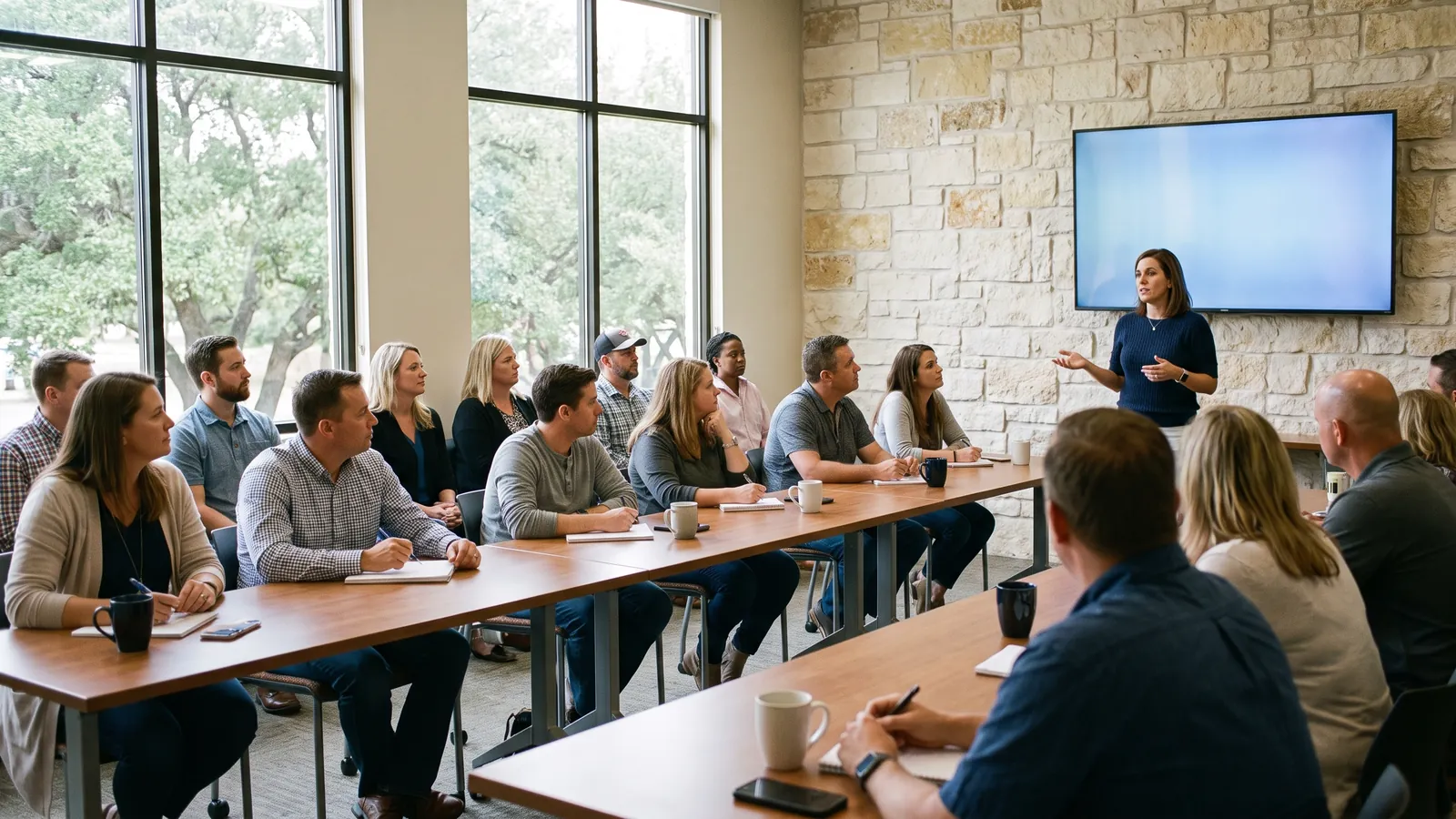



We host free live sessions for board members a few times a year. Join the invite list and we'll send the date, topics and sign-up link as soon as the next one is set.
Join the invite listStart with the introduction, or pick the topic on your next agenda. Every video plays free on Vimeo.
 2:43Video 10Maintaining common areas
 3:22Video 11Architectural review
 2:39Video 12Disputes and conflict resolution
 2:15Video 13Difficult conversations with homeowners
 3:04Video 14Enforcing rules with fairness
 3:43Video 15Working with attorneys
 3:07Video 16Board member ethics
 3:04Video 17President, VP, secretary and treasurer
 3:04Video 18Technology for HOAs
 2:59Video 19Policies and procedures
 3:45Video 21Disaster preparedness
 3:08Video 22The role of committees
 3:25Video 23Federal and state laws
 4:55Video 24Social media and online communication
 3:52Video 25Succession and long-term planning
Volunteer board. Real decisions.
Better questions make better votes.
A new season of short videos built around the moments boards actually face. Each one stops at the decision, shows the evidence, and ends with one question your board can reuse.
A walk through a financial packet: why the bank balance, the budget and the reserve plan tell different stories.
One maintenance request, followed from homeowner to vendor, and the point where nobody owned it.
How a board corrects the record without starting a second argument.
Longer reads for the topics that come up at every annual meeting.
Questions to ask, red flags and the Texas filings a switch triggers.
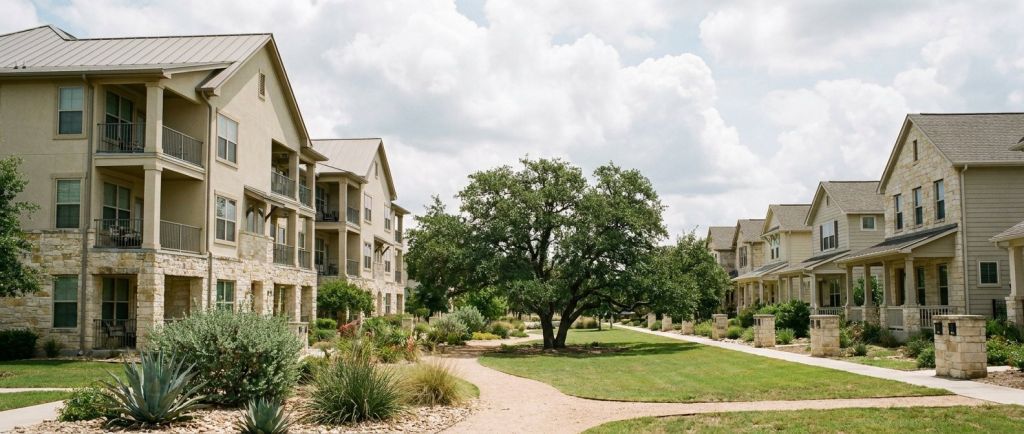
Which law applies, who insures what and how the rules differ.
Notices, ballots, quorum and the agenda, in order.
A Texas board’s guide to the 2027 budget season.
Where the manager's job ends and the board's begins.
The ones we see most, and how to avoid them.

Building trust with owners through open books.
Practical ways to get enough owners in the room.
Homeowner questions? Start with our HOA FAQ for Texas.
Yes. Every video is free to watch, with no sign-up. It's built for board members of any Texas HOA or condo association, whether or not PS Property Management manages your community.
Watch modules 1 through 3 (roles, governing documents and meetings) before your first board meeting. Then read your own community's declaration and bylaws.
Some routine actions can be taken outside a meeting if every director gets a chance to weigh in and the action is recorded at the next meeting. But Texas lists 15 items, including fines, assessment increases, the budget and filling a vacancy, that may only be voted on in an open meeting with notice (Property Code 209.0051).
No. It's general training. Your governing documents and your association's attorney have the final word for your community.
New communities get an orientation meeting that covers the board's role and ours. Tell us about your community and we'll start with a conversation.
PS Property Management · (512) 251-6122 · Round Rock & South Austin